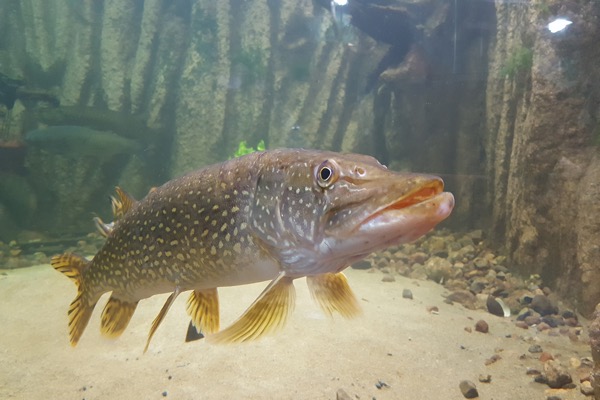
Northern Pike (Esox lucius)
The queen of rivers and lakes. The Pike is an ambush predator with a long, torpedo-shaped body and a massive mouth filled with sharp teeth. It is capable of swallowing prey up to half its own body size.
A brief guide to the most popular freshwater inhabitants
Rivers are amazing ecosystems home to hundreds of fish species. In this short overview, we'll look at the most famous representatives found in temperate freshwater bodies.
The queen of rivers and lakes. The Pike is an ambush predator with a long, torpedo-shaped body and a massive mouth filled with sharp teeth. It is capable of swallowing prey up to half its own body size.
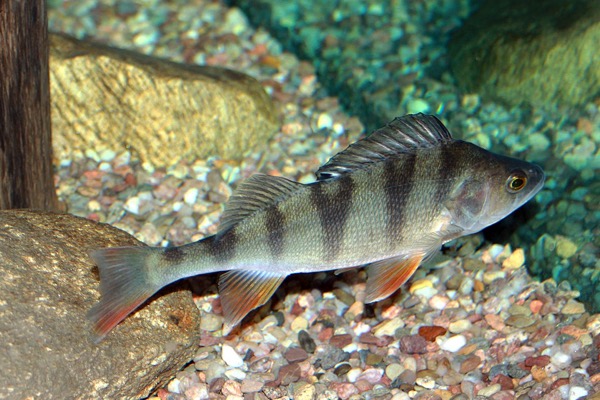
One of the most common predators. It's easily recognized by its characteristic dark vertical bars on its sides and bright red fins. Perch prefer to stay in schools in places with weak currents or among aquatic vegetation.
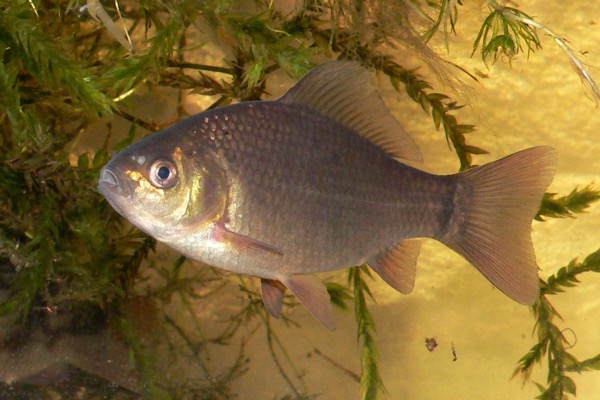
A true survival champion. Crucian carp inhabit ponds, oxbow lakes, and reservoirs, withstanding even severe freezing of water bodies. Both the gold crucian carp and the widely distributed Prussian carp are common in our waters.
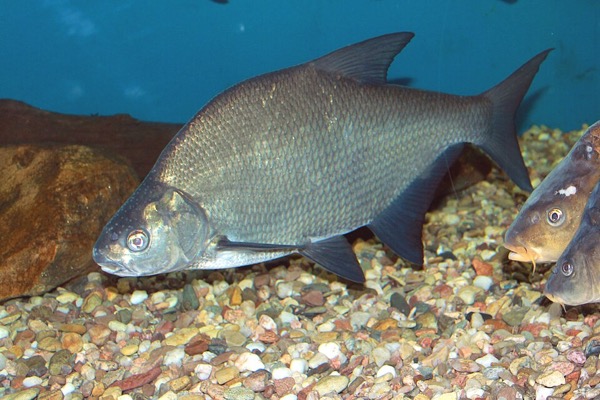
One of the most numerous fish in many river basins and reservoirs. The Bream is a cautious, schooling fish that feeds on benthos. It has a tall, laterally compressed body that helps it maneuver while searching for food on the silty bottom.
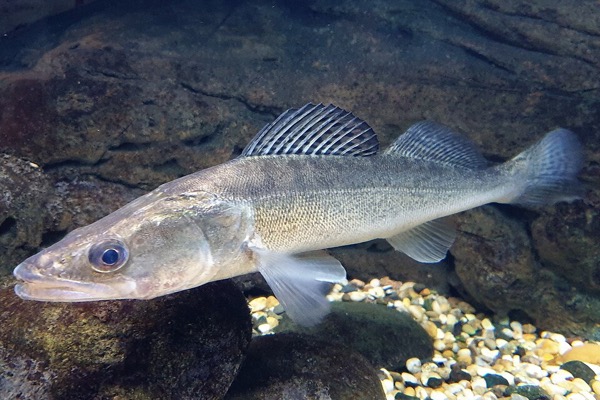
Highly valued by anglers for its strength and delicious meat. A deep-water predator that prefers clean water with a hard sandy or stony bottom. Zander are primarily active during twilight and at night.
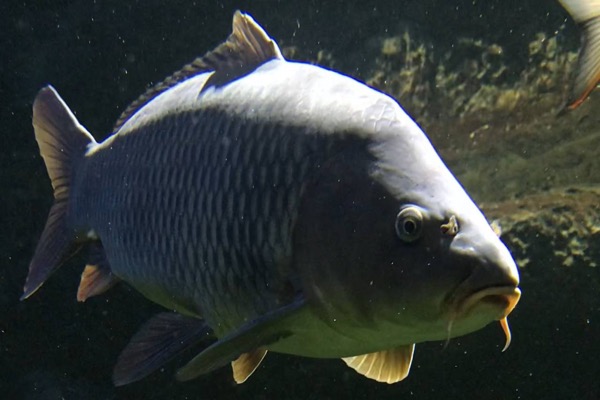
A strong and intelligent fish, a favorite target for sport fishing. Unlike the previous species, the carp is omnivorous. It prefers quiet backwaters and lakes with plenty of silt and aquatic vegetation.
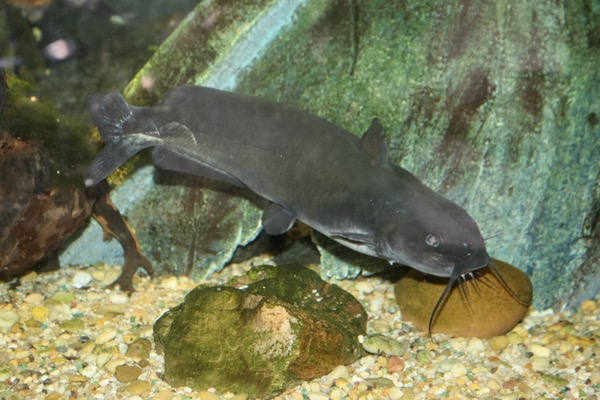
The largest inhabitant of our rivers. The catfish is a warmth-loving fish that prefers deep holes with fallen logs and debris. It's a nocturnal predator that easily finds prey in complete darkness thanks to its long barbels.
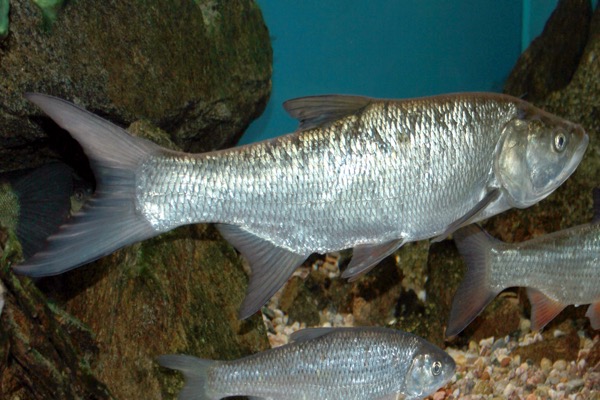
An active predator often called the "river pirate." Asp inhabit large and medium-sized rivers. Their hunting is easy to spot by the characteristic "slaps" of their tails on the water, which they use to stun small fish.
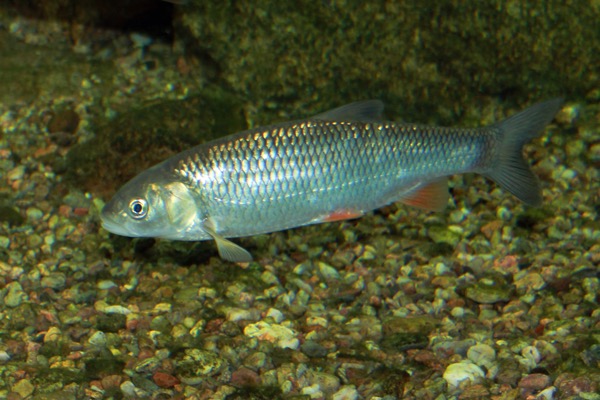
An inhabitant of fast rivers with clean water. Chub can often be found at riffles and pools in medium and small rivers. It's a strong and cautious fish that feeds on both insects and fry.
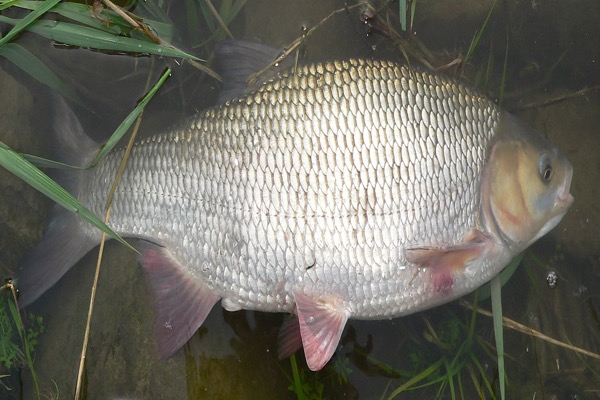
A beautiful and powerful fish widely distributed in river basins. The Ide is omnivorous and can reach significant sizes. It prefers deep sections of rivers with moderate currents, often staying near bridges, dams, and overhanging bushes.
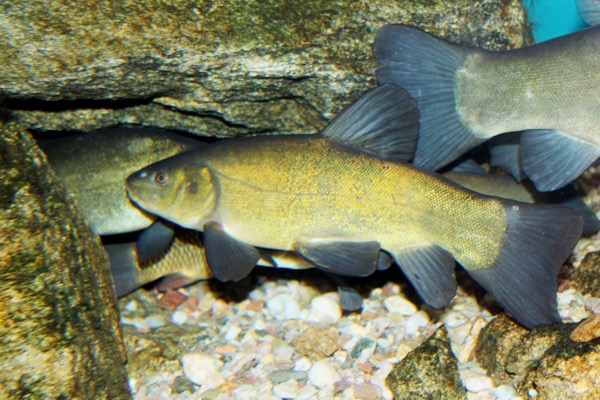
An amazing fish with fine scales covered in a layer of thick mucus. Tench prefer quiet, heavily overgrown river sections and ponds with silty bottoms. It's a very cautious and slow-moving fish that leads a secretive lifestyle.
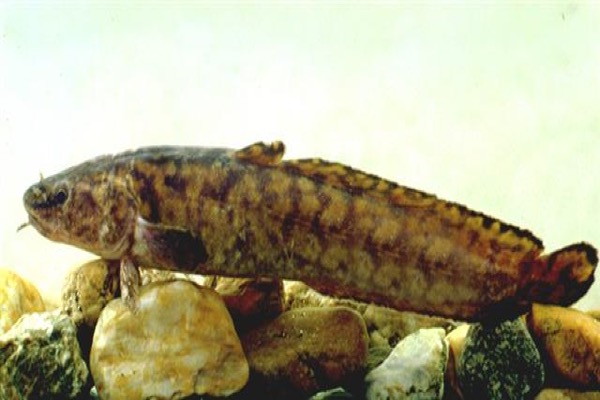
The only freshwater member of the cod family in our waters. The Burbot is a cold-loving fish, most active in winter and late autumn. In rivers, it stays at depth, preferring areas with stony or clay bottoms.
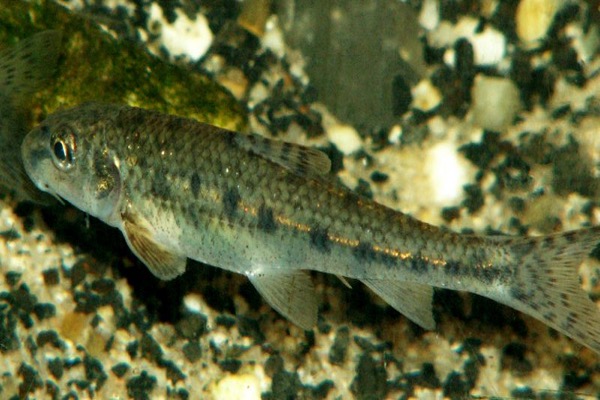
A small but very common fish in our rivers. Gudgeon prefer clean water and sandy bottoms, where they feed on small benthic organisms. Their presence is often considered an indicator of water purity.
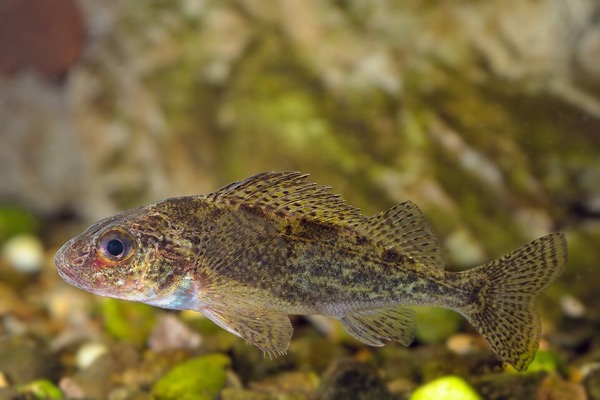
A small, spiny, but very voracious fish. Ruffe inhabit almost all water bodies — from large reservoirs to small streams. They lead a bottom-dwelling lifestyle and often stay in large schools.
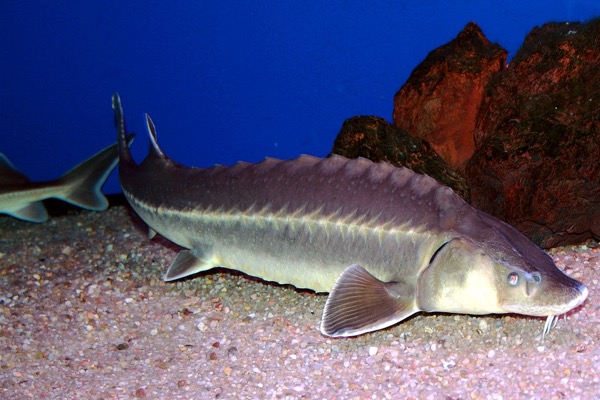
A valuable fish from the sturgeon family. Sterlet are found in large rivers with clean water. It's a bottom-dwelling fish that prefers deep spots with fast currents and clean sandy or gravel bottoms.